

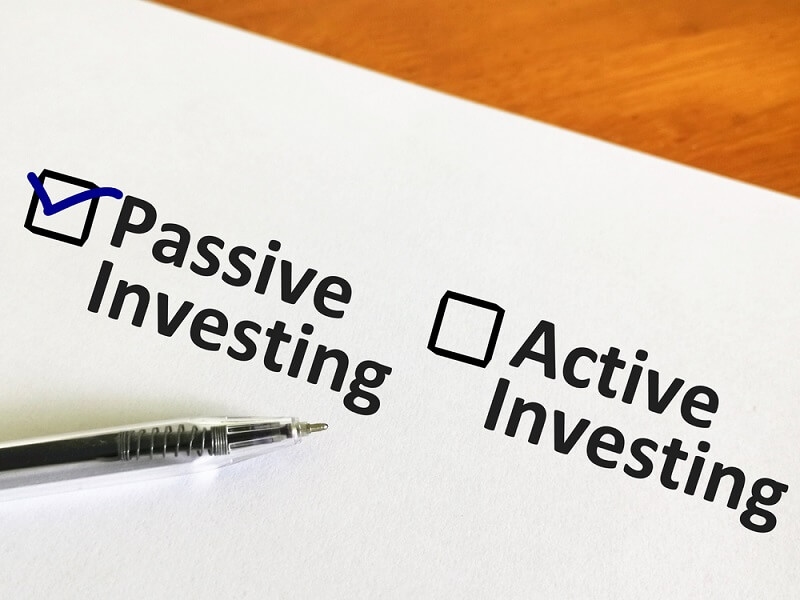
Passive investing is a smart way to grow wealth without spending all day looking at a computer. Most people want their money to grow while they sleep or play outside. When looking at a stock market investing guide, the idea is to buy things and hold them for a very long time. This method is often compared to active vs. passive investing, where one side tries to beat the market, and the other just follows it. An index fund approach makes it easy for beginners to get started right away.
The main goal here is to keep things simple. Instead of picking one single company that might fail, a person buys a tiny piece of hundreds of companies at once. Most professional investors struggle to beat the market average over many years. This really means that doing less work can lead to more money later. It is a very relaxing way to handle cash.
When someone uses a stock market investing guide, they learn not to put all their eggs in one basket. If one store closes, the other ninety-nine stores in the fund remain open and continue to make money. This keeps the total savings much safer from big drops. It is like having a big team where everyone helps each other out.
Active vs. passive investing also comes down to how much the bank takes from you. People who trade stocks every day have to pay lots of fees. Under a passive plan, fees are very low because there is little work for the bank to do. Over 40 years, those small savings on fees can add up to thousands of extra dollars for retirement.
Related Resource: Income Investing Strategy Made Simple for Beginners
A good plan needs a solid foundation like a house. A long-term portfolio strategy is about deciding how much of your money should be in stocks and how much in safer investments like bonds. Most experts say that young people can take more risks because they have more time to wait for the market to recover if it falls.
Let's break it down further. If the stock market goes up a lot, you might have too many stocks. Selling a bit and buying more bonds keeps the plan on track. This is called rebalancing, and it is a very important part of any long-term portfolio strategy.
Many people like index fund investing because it is predictable. An index is just a list of companies, like the top 500 biggest businesses in the country. When you buy an index fund, you are buying that whole list. It is a very honest way to invest because you always know exactly what you own.
Over many years, businesses have gotten better at making things and finding new customers. This makes the whole market grow. Even in bad years, the history of the stock market shows that it eventually returns to making new highs. It is like a staircase that goes up but has some small steps down once in a while.
In-Depth Guide: ETFs in Commodity Investing: A Smart Strategy Explained
An ETF is a basket of stocks that you can buy and sell just like a single stock. Having a clear ETF investment strategy is great because these funds are very flexible. You can buy them in the morning or the afternoon. They are usually very cheap to own and help you reach your goals faster.
An ETF investment strategy is often better for people who want to start with just a few dollars. Many apps let you buy tiny slices of an ETF, so you don't need a lot of money to begin. This makes it possible for anyone to begin their journey toward wealth.
Some people think they can find the next big company before everyone else does. This is the active way. While it sounds fun, it is very hard to do correctly every single time. Passive investing is about being okay with the average. Let's break it down. The market's average return has been quite good over the past hundred years. Most people would be very happy with that.
Active investing requires a lot of reading and watching the news. It can make people feel very worried or excited, often leading to poor choices. Passive investing lets you ignore the news and focus on your life. What this really means is that your mental health stays better while your bank account grows.
If you are ready to start, the first step is to open a brokerage account. This is just a place where you keep your investments. After that, you pick your funds based on your ETF investment strategy and set up a monthly payment.
The best way to succeed is to make it automatic. If the money leaves your bank account before you can spend it, you will never miss it. This is how real wealth is built over decades. You just set it and forget it. Consistency is way more important than being smart or lucky.
Expand Your Knowledge: Passive Mutual Funds: A Beginner’s Guide to Smart Investing
Building wealth should be easy and not stressful. By focusing on passive investing and a strong long-term portfolio strategy, you ensure your money grows for years to come. Start your journey today and watch your savings bloom into a bright future. Review your goals now to begin.
For most people, yes. It is much safer and usually makes more money over twenty or thirty years because of lower fees and fewer mistakes.
Starting with a total market index fund is often the best move. It covers everything and keeps your risk very low while you learn.
Most of the best information is free. You just need to learn the basics of index fund investing and stay away from people who promise to make you rich overnight.
This content was created by AI